
How to Teach Pantig to Kids: A Simple Step-by-Step Guide for Parents


Teaching a child to read Filipino can feel like a big jump from recognizing letters to reading whole words. If you're wondering how to teach pantig to kids, the best place to start is with simple sounds and familiar words.
One skill that helps bridge that gap is learning pantig, or syllables.
The good news is that you don't need complicated lessons or special materials to get started. You can teach pantig using your child's name, familiar Filipino words, clapping games, pictures, and a little practice each day.
Here's a simple way to begin.
What is pantig?
A pantig is a syllable, or a part of a word that we say as one beat or sound.
For example:
ba-hay — 2 pantig
la-ro — 2 pantig
sa-pa-tos — 3 pantig
pa-ya-so — 3 pantig
For young children, you don't have to begin with a long explanation of syllables. It's usually easier to let them hear and feel the different parts of a word first.

Step 1: Start with clapping
Before bringing out a pencil or worksheet, turn pantig into a listening game.
Say a familiar word slowly and clap once for every syllable.
ba-hay 👏 👏
la-ro 👏 👏
ma-ta 👏 👏
sa-pa-tos 👏 👏 👏
Then ask your child to clap with you.
You can also use names. Children usually enjoy figuring out how many beats are in their own name and the names of family members.
Try asking:
"Ilang palakpak ang ma-ri-ri-nig natin sa salitang saging?"
Say it slowly together:
sa-ging 👏 👏
At this stage, the goal isn't memorization. You're simply helping your child notice that words can be divided into smaller sound parts.
Step 2: Use words your child already knows
Once your child understands the clapping game, practice with everyday Filipino words.
Start with simple, familiar words such as:
ba-ta
pu-sa
a-so
la-ro
gu-ro
me-sa
ba-hay
You can point to real objects around the house or use pictures.
For example, point to a table and say:
"Mesa. Pakinggan natin: me-sa. Ilang pantig?"
This makes the activity more meaningful because your child already knows what the word means.
Step 3: Show how syllables make a word
After your child becomes comfortable hearing syllables, start showing them in writing.
Write:
BA + TA = BATA
Read each part slowly:
ba… ta… bata!
Try other simple examples:
PU + SA = PUSA
LA + RO = LARO
GU + RO = GURO
ME + SA = MESA
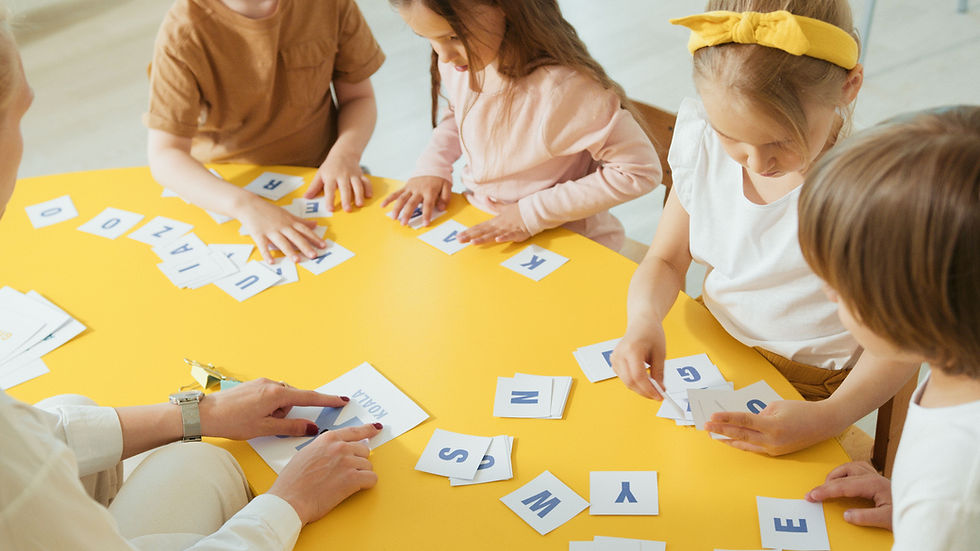
You can write each pantig on a separate piece of paper and let your child push the two cards together to form the word.
This turns an abstract reading skill into something they can actually move and see.
Step 4: Play "Buoin ang Salita" to teach pantig to kids
Here's an easy game that doesn't require much preparation.
Write several syllables on small pieces of paper:
BA — TA — PU — SA — LA — RO
Ask your child to find two syllables that can make a word.
For example:
BA + TA = BATA
Then mix the cards again.
Can they find:
PU + SA?
What about:
LA + RO?
As your child improves, add more syllables and longer words.
You can even make silly combinations and laugh about whether they form a real word. Learning doesn't always have to feel like a test.
Step 5: Look for pantig everywhere
Once your child understands the idea, practice during ordinary parts of the day.
At breakfast:
ka-nin
While getting dressed:
da-mit
When playing:
la-ru-an
In the car:
sa-sak-yan
You don't need a 30-minute lesson every time. A few words here and there can give children plenty of practice without making reading feel tiring.
Step 6: Add writing practice
When your child can comfortably identify and combine simple syllables, you can begin adding writing activities.
Try asking your child to:
trace a pantig;
copy a simple word;
match two syllables to form a word;
draw a line between a picture and the correct word; or
complete a missing pantig.
For example:
PU + ___ = PUSA
or
___ + RO = LARO
Keep the first activities easy enough that your child can experience success.
What if my child is having difficulty?
That's okay. Children don't all move from letter recognition to reading at the same pace.
If combining syllables is frustrating, go back to listening activities for a while.
Clap words. Say them slowly. Use pictures. Play with names.
You can also work with only two or three words at a time instead of presenting a whole page of exercises.
Short, successful practice is often more useful than a long session that leaves a child tired or discouraged.
Make Filipino reading part of everyday life
Worksheets can provide helpful practice, but children also need opportunities to hear and use Filipino naturally.
Read Filipino children's books together. Point out familiar words on signs and packaging. Sing Filipino songs. Talk about the names of objects around the house.
And when you encounter an interesting word, try breaking it into pantig together.
sa-ging
la-me-sa
pa-ya-so
Little activities like these help children discover that reading isn't something that happens only during "study time."
It's something they can use everywhere.
Ready for a little practice?
If your child is learning Filipino syllables, you can continue practicing with our free Pantig printables on Abakada.ph.
You can also explore our free Filipino worksheets for more activities designed for young Filipino learners.
A few minutes of playful practice each day can go a long way. Start with simple words, follow your child's pace, and celebrate the little moments when those sounds suddenly come together into a word. 🌈


Comments