
7 Simple Math Games for Grade 1 Kids Using Things You Already Have

Math practice doesn't need to mean sitting down with a workbook every time. For a Grade 1 learner, some of the best number practice happens with things already lying around the house — buttons, spoons, even the stairs. Here are seven easy games to try this week.
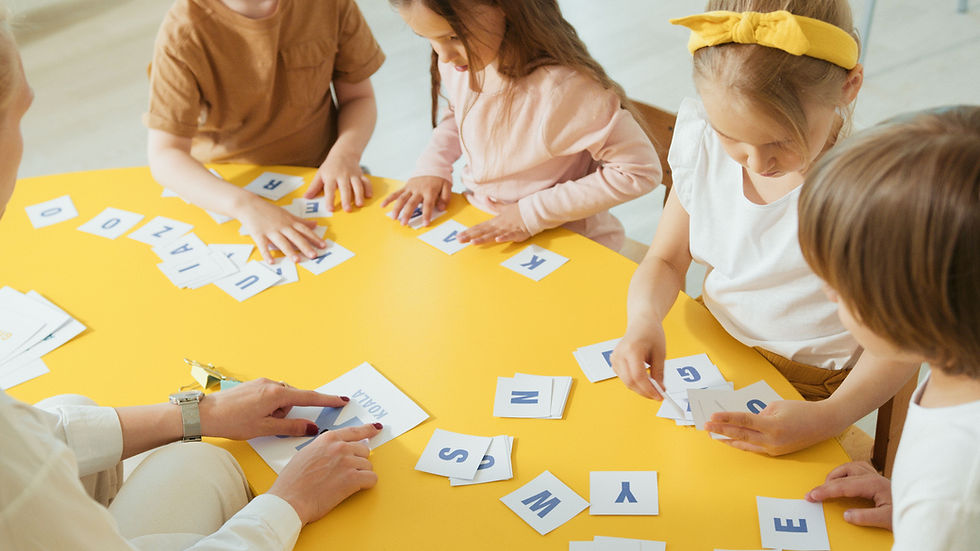
Photo by Yan Krukau via Pexels
Why Hands-On Math Matters at This Age
At the Grade 1 level, kids are still building number sense — understanding what a number represents, not just memorizing it. Touching, moving, and counting real objects makes numberds concrete before they're asked to work with numbers on paper alone.
7 Math Games for Kids Using Everyday Items
1. Button (or Coin) Counting Jars
Give your child a small pile of buttons, coins, or dried beans and two containers. Call out a number and have them count that many into a jar. Simple, but builds one-to-one counting — a foundational skill before addition.
2. Egg Carton Addition
Write numbers 1–6 (or higher) inside the cups of an empty egg carton. Toss two small objects (buttons or pom-poms) into the carton and add the two numbers they land in. A hands-on way to practice simple addition without a worksheet.

3. Stair-Step Counting
While walking up or down stairs together, count each step out loud. For a Grade 1 level challenge, try counting by twos, or count backward on the way down.
4. Spoon Sorting by Size
Gather mismatched spoons (or any household object in varying sizes) and have your child arrange them from smallest to largest, then largest to smallest. This builds the comparison skills ("more than," "less than") that come right before formal addition and subtraction.
5. Grocery Receipt Hunt
After a grocery run, hand your child the receipt and ask them to find and circle a specific number, or add up the cost of two small items together. It shows math is something adults actually use.
6. Clothespin Number Match
Write numbers on clothespins and matching dot groups (or tally marks) on a paper plate or box. Your child clips each clothespin to the matching quantity — great practice for connecting a number symbol to "how many."
7. Shadow or Sticker Tally
Give your child a simple tally sheet and a sticker sheet (or a marker). Set a timer for a minute and have them tally how many times they can hop, clap, or jump — then count the tallies together at the end. Combines movement with counting practice.
Turning Games Into Steady Progress
Games build the feel for numbers, but a little structured practice locks the skill in. After a game or two, five to ten minutes with a free printable math worksheet — matched to your child's grade level — helps carry that number sense into writing.
Frequently Asked Questions
How much math practice does a Grade 1 child need per day?
Ten to fifteen minutes of focused practice a day is generally enough at this age, especially when paired with hands-on games like the ones above. Consistency matters more than long sessions.
My child can count but struggles with addition — what should we work on first?
Go back to counting objects together (button jars, egg carton addition) before moving to number-only problems on paper. Strong counting skills usually make addition click faster.
Are these games only for Grade 1, or can younger kids join in too?
Most can be simplified for Kindergarten (counting only, no addition) or made slightly harder for Grade 2 by using bigger numbers — adjust based on what your child can comfortably do. Make learning math fun by pairing with hands-on games for kids.
Do I need to buy anything special for these activities?
No — every game above uses ordinary household items. A printed worksheet is optional, not required, to round out the practice.
Call to Action
Keep the momentum going with a few minutes of focused practice: download our free Grade 1 math worksheets, or browse our digital math workbooks, for a full set of leveled practice pages.
Our My First Filipino Numbers, Colors & Shapes Workbook includes:
Counting and number tracing from 1 to 10
Eight colours with Filipino names
Four basic shapes
Matching, drawing, colouring, and pattern activities
Review pages and a completion certificate
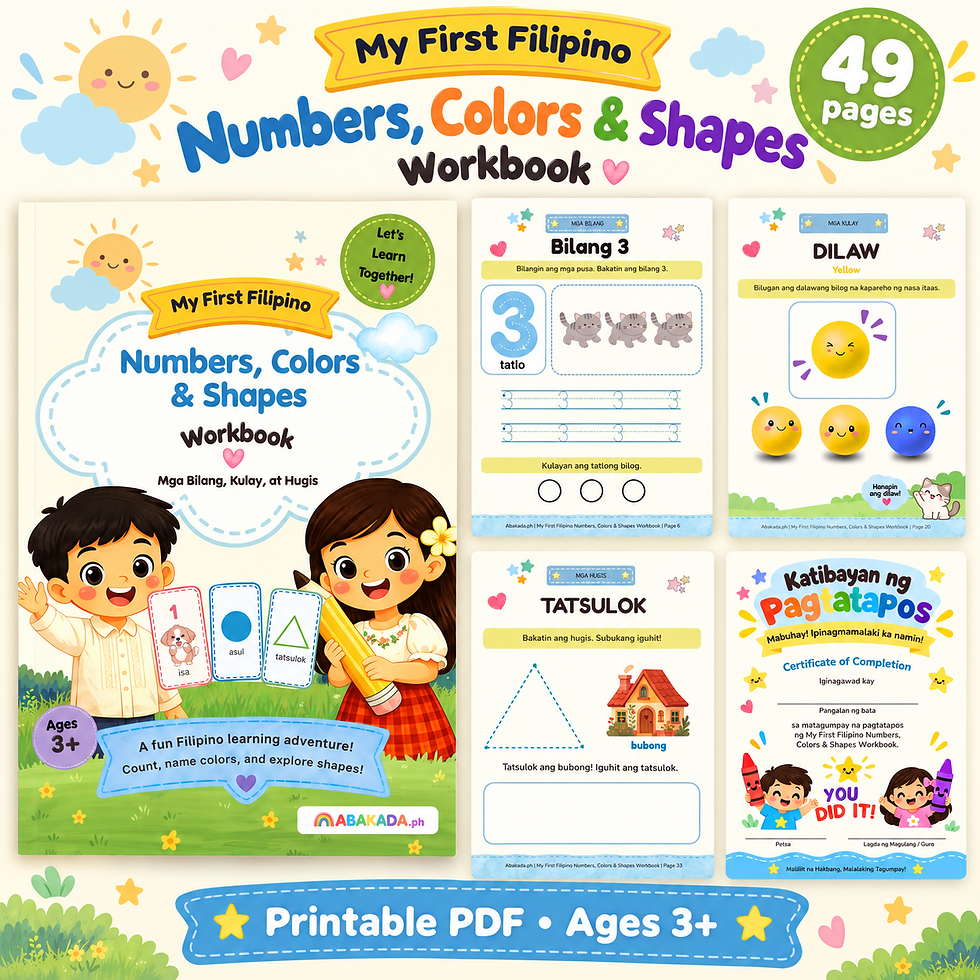
It is a 49-page printable PDF, including the cover, for ages 3+, with mainly Filipino instructions and some English labels. Colour printing is recommended for the colour-recognition activities.
You can also browse our free worksheets to choose a starting activity.


Comments